Image
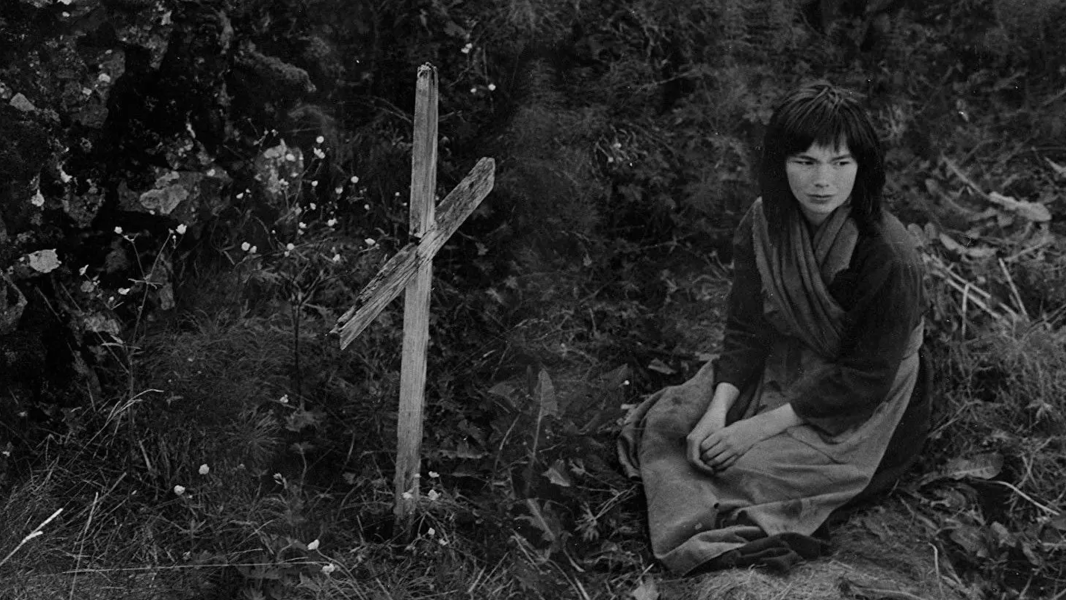
A grim fairy tale set in rugged medieval Iceland, and Björk’s widely acclaimed acting debut: THE JUNIPER TREE is a forgotten gem of European arthouse cinema and the breakthrough film of director and professor Nietzchka Keene, who died far too young. At the invitation of VIDEODROOM 2025, Japanese musician Midori Hirano composed a brand-new soundtrack as a tribute. As part of our annual Spotlight on Womxn Director, we invited Hirano to Antwerp to perform this new score live during the screening.
Keene largely flew under the radar during her lifetime, yet THE JUNIPER TREE is a striking debut—restrained, poetic, and loosely based on the Brothers Grimm tale of the same name. The film premiered at the Sundance Film Festival in 1991, where it received glowing reviews. Its success paved the way for Keene’s later work, including HEROINE OF HELL (1996) and BAREFOOT TO JERUSALEM (2008), which was completed posthumously after her early death in 2004.
In THE JUNIPER TREE, we follow Margit (a mesmerising Björk) and her older sister Katla, on the run after their mother is burned at the stake for witchcraft. They find shelter with a widower and his troubled son, but tensions soon rise when Katla’s magical powers come to light.
Shot entirely on location in Iceland’s stark landscapes, the film glows in haunting black and white, with cinematography by Randy Sellars. Its atmosphere evokes Dreyer’s DAY OF WRATH and Bergman’s THE VIRGIN SPRING, enriched by dreamlike sequences from experimental filmmaker Pat O’Neill. THE JUNIPER TREE is a powerful allegory of misogyny and the tragedy that follows in its wake—a long-overlooked film now ready to be rediscovered in a digitally restored 4K version.
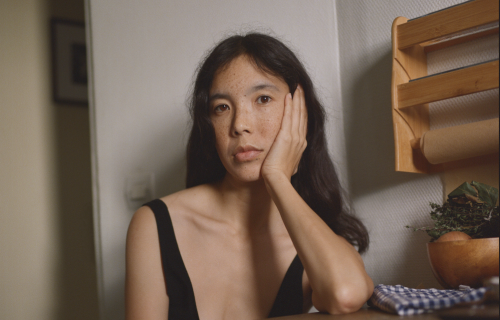
Midori Hirano is a Berlin-based musician, composer and producer from Kyoto, Japan. Classically trained as a pianist, she combines acoustic instruments like piano and strings with experimental textures, blending digital sounds, subtle electronics and field recordings.